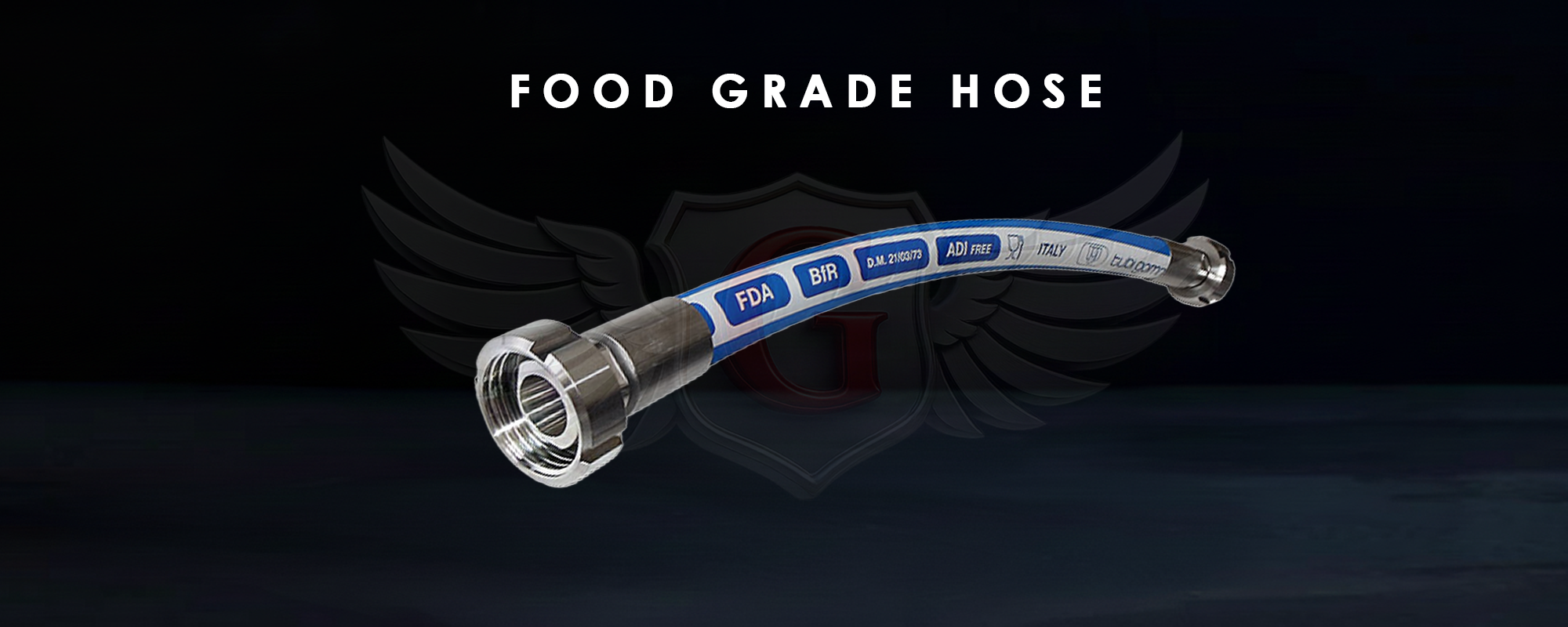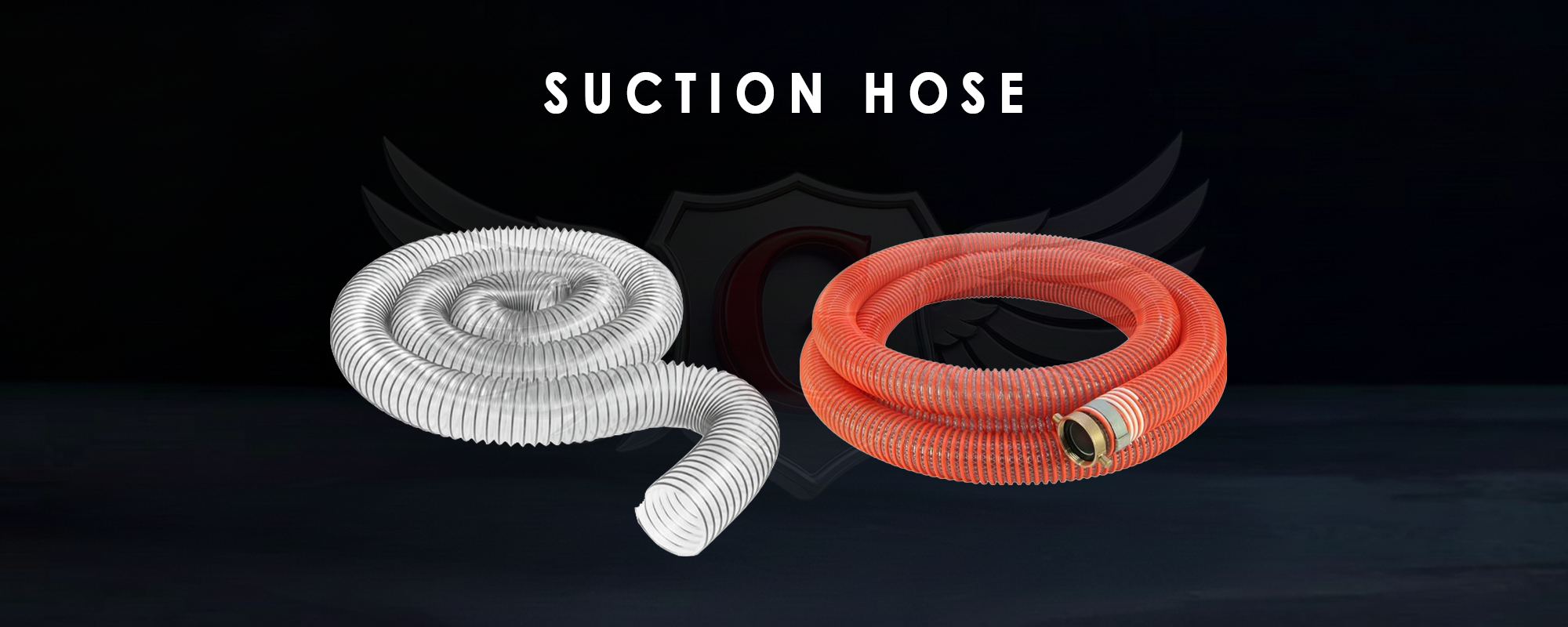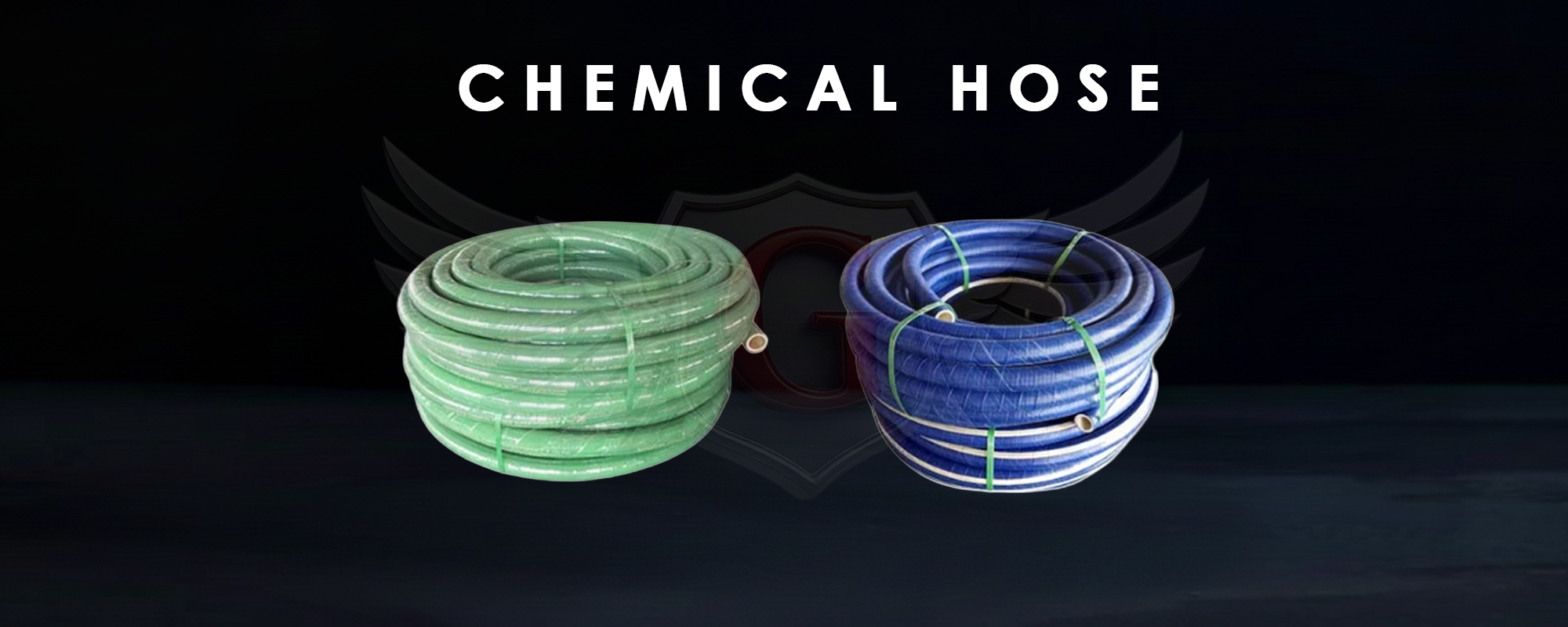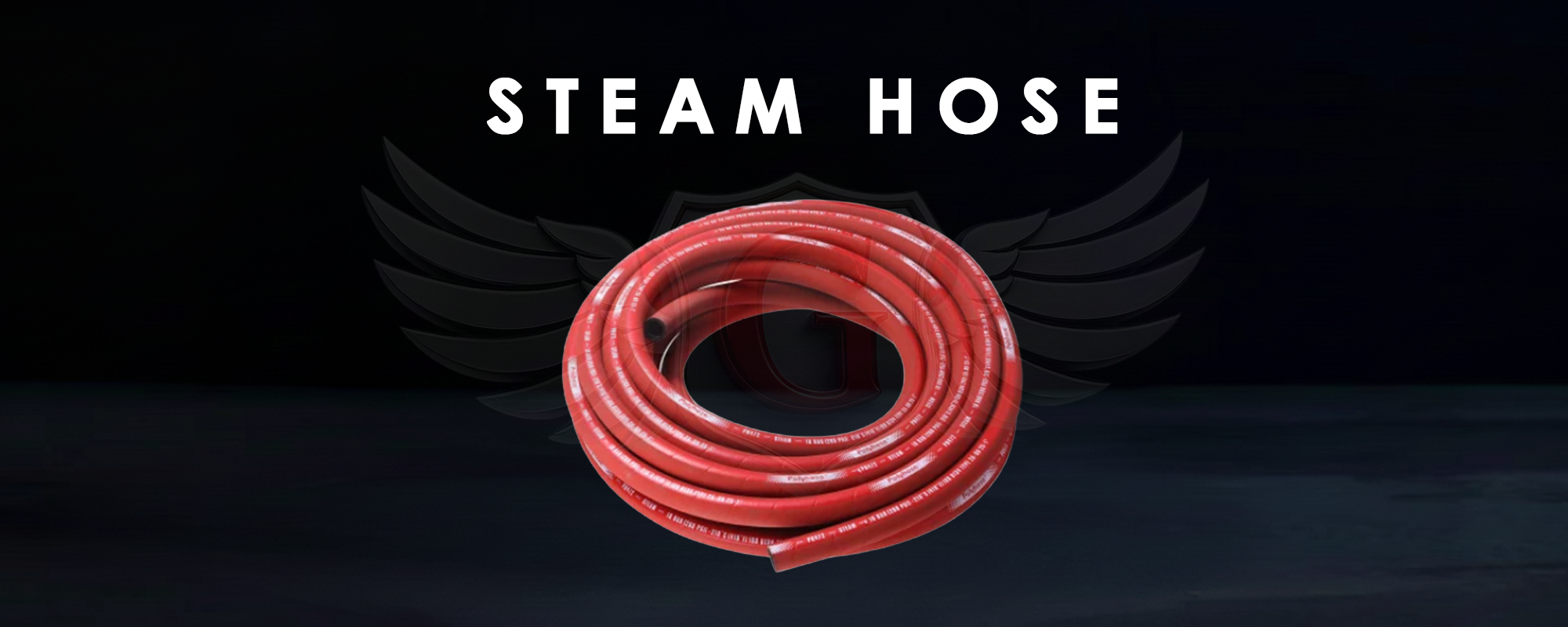


Food Grade Hoses are a critical component in any sanitary processing system. Unlike standard hoses, they are specifically engineered for the safe transfer of food, beverages, dairy, and pharmaceuticals. Their primary role is to transport products without imparting any odor, taste, or contaminants.
This guide from Glory Engineering Supplies serves as a complete technical reference. It is designed to help engineers, quality assurance managers, and technicians understand the critical **FDA-certified materials** (EPDM, Silicone, PTFE) and hygienic connections required to build a safe, clean, and reliable sanitary process.
All our food-grade hose tubes are made from non-toxic, non-leaching, FDA-compliant materials, ensuring your product's purity and safety.
We provide professional, crevice-free sanitary crimping for fittings like Tri-Clamp (TC), eliminating areas where bacteria can grow and ensuring a cleanable system.
We stock hoses for every need, from durable brewery hoses (EPDM) to high-temperature silicone and ultra-pure PTFE hoses for pharmaceutical use.
Our team understands the demands of CIP/SIP (Cleaning/Sterilization-In-Place) and can help you select the right hose and fitting for your specific process.
The hose material must be compatible with your product, temperature, and cleaning process.
| Hose Material (Tube) | Construction | Key Characteristics & Common Use |
|---|---|---|
| EPDM Rubber (White) | White, smooth EPDM rubber tube, textile/wire reinforcement. |
|
| PVC (Food Grade) | Clear or white PVC tube, textile or wire reinforcement. |
|
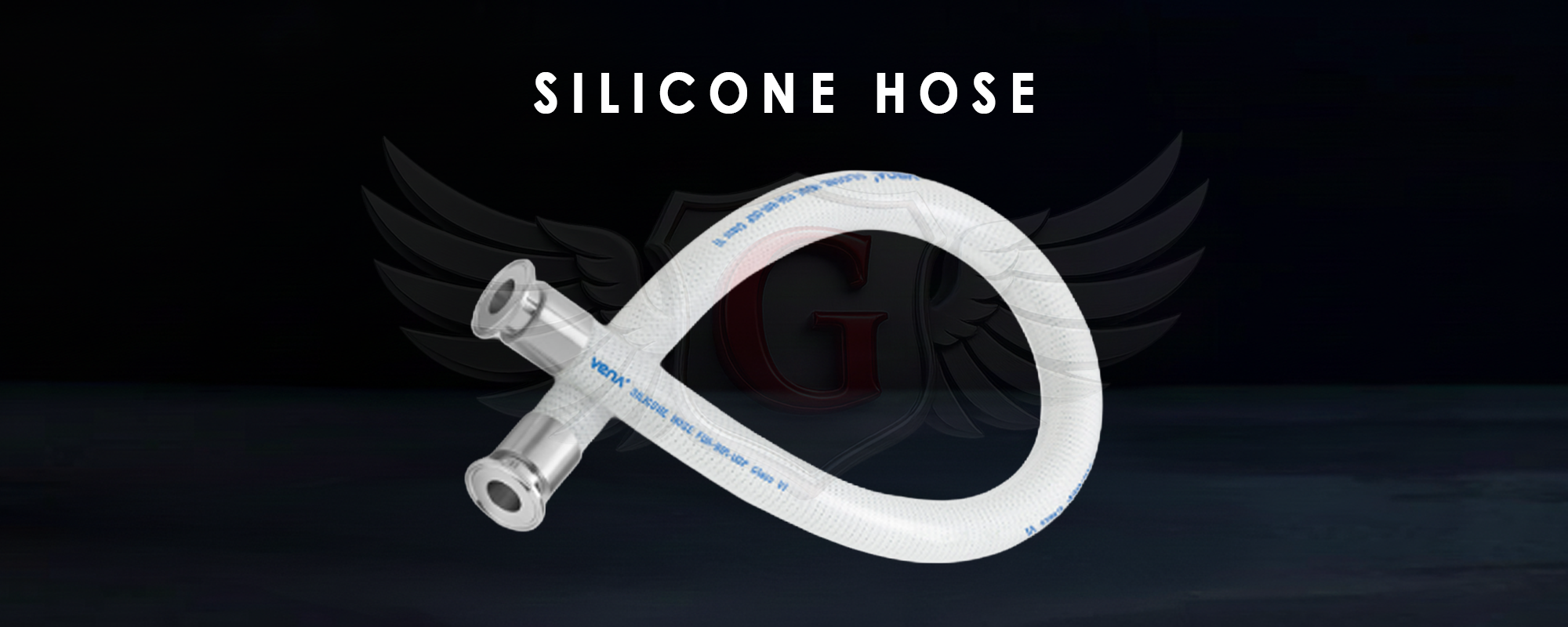
| Silicone (Platinum-Cured) | Translucent platinum-cured silicone tube, textile or wire braid. |
|
| PTFE (Teflon) | Smooth, white PTFE tube, SS wire braid cover. |
|
This chart shows the typical Maximum Working Pressure (MWP) for common food-grade hoses. Pressure ratings vary by material and temperature.
| Hose Size (ID) | PVC (Food Grade) | EPDM Rubber (Brewery/Dairy) | Silicone (Platinum-Cured) |
|---|---|---|---|
| 1/2" | 150 PSI | 250 PSI | 100 PSI |
| 3/4" | 125 PSI | 250 PSI | 80 PSI |
| 1" | 100 PSI | 250 PSI | 75 PSI |
| 1-1/2" | 100 PSI | 200 PSI | 60 PSI |
| 2" | 75 PSI | 150 PSI | 50 PSI |
| 3" | 60 PSI | 150 PSI | N/A |
| 4" | 50 PSI | 150 PSI | N/A |
In food processing, the fitting is just as important as the hose. All fittings must be "sanitary," meaning they are smooth, crevice-free, and easily cleanable.

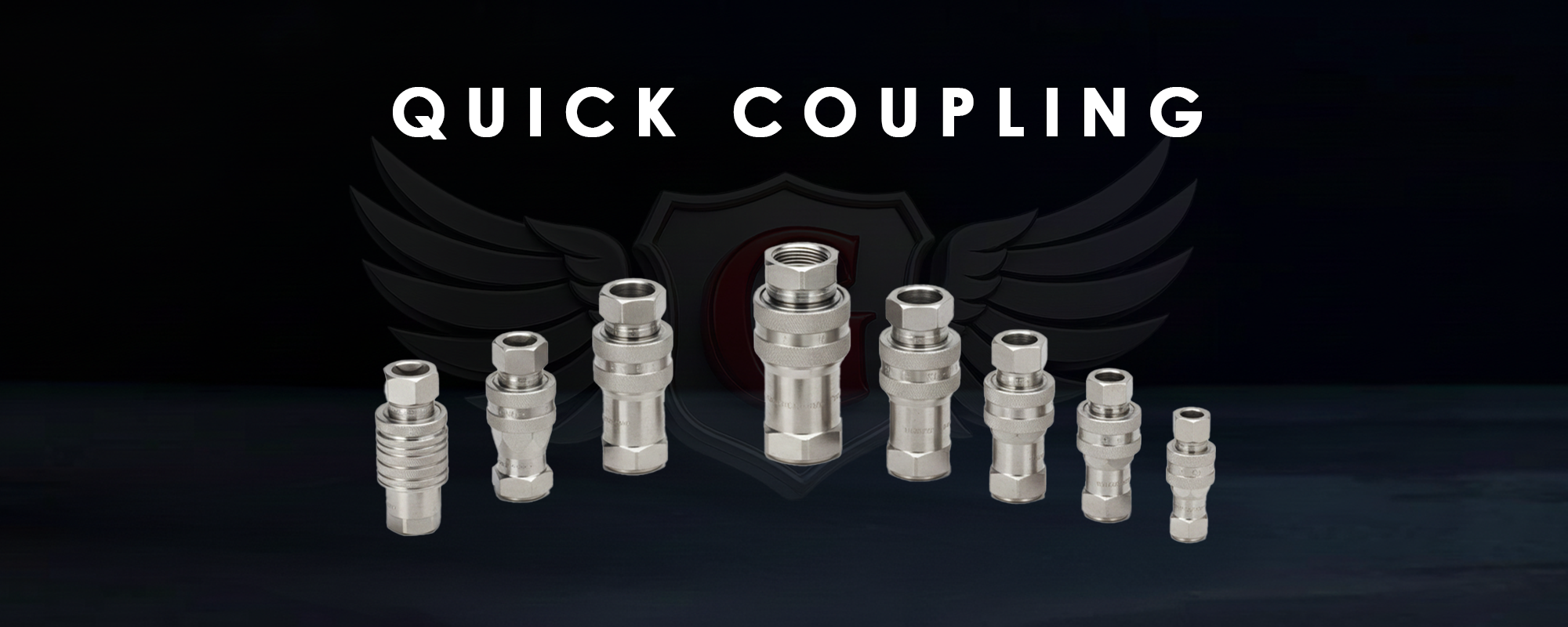
The #1 industry standard. A quick-disconnect fitting that joins two ends with a gasket and a clamp. Very easy to clean and disassemble.

The ONLY way to attach fittings. A stainless steel ferrule is crimped over the hose, creating a smooth, permanent, crevice-free transition from hose to fitting.

Other common threaded sanitary union standards, popular in Europe and globally. (DIN 11851, SMS 1145).

A threaded fitting with a metal-to-metal seat, common in the dairy industry. Uses an ACME thread.
Proper installation and handling are critical to prevent bacterial growth and extend hose life.
Problem: Twisting the hose during installation (especially with Tri-Clamps) puts stress on the reinforcement, leading to premature failure and kinks.
Problem: Bending the hose too sharply creates a kink, which restricts flow and becomes a weak point that is difficult to clean and will fail under pressure.
Solution: Always install the hose with a small amount of "slack" (extra length) to allow for movement, pressure changes, and thermal expansion.
Solution: Hoses MUST be thoroughly cleaned after every use via **Clean-in-Place (CIP)** or **Sterilize-in-Place (SIP)** protocols. This prevents bacterial growth and product contamination.
It means the raw materials used to make the "tube" (the inner liner that touches your product) comply with the **FDA Code of Federal Regulations, Title 21, Section 177**. This ensures the material is non-toxic, non-leaching, and will not alter the taste, smell, or composition of the product.
EPDM Rubber is tougher, more abrasion-resistant, and generally has a higher pressure rating. It's the standard for durable applications like breweries and dairies. Silicone is more flexible, has a much higher temperature rating, and is preferred for high-purity pharmaceutical or baking applications (hot syrups, etc.).
No. A standard clamp creates a "gap" or crevice between the hose and the fitting. This is a perfect place for bacteria to grow, making the connection unsanitary and impossible to clean properly. A **sanitary crimp** is the only accepted method as it creates a smooth, crevice-free seal.
CIP is a method of cleaning the interior surfaces of pipes, vessels, and hoses without disassembly. It typically involves circulating hot water, cleaning chemicals, and sanitizers through the system at a specific temperature and flow rate. Your hose must be rated to handle these cleaning chemicals and temperatures.
Protecting your product's purity is our top priority. Contact the Glory team today to build a custom, FDA-compliant sanitary hose assembly for your specific application.
Request a Quote Now